Buy it-consult.eu ?
We are moving the project
it-consult.eu .
Are you interested in purchasing the domain
it-consult.eu ?
domain@kv-gmbh.de · 0541-91531010
Buy it-consult.eu ?
What is chimney soot?
Chimney soot, also known as creosote, is a black, oily substance that accumulates inside chimneys when wood or fossil fuels are burned. It is a byproduct of incomplete combustion and consists of carbon particles and other chemicals. Soot buildup can be a fire hazard and should be regularly cleaned from chimneys to prevent chimney fires. **
What does diesel soot mean?
Diesel soot refers to the fine particles of carbon that are emitted from diesel engines as a byproduct of combustion. These particles are a type of air pollution and can contribute to respiratory issues and other health problems when inhaled. Diesel soot can also contribute to the formation of smog and have environmental impacts such as harming plant life and contaminating water sources. **


Similar search terms for Soot
Top-Angebote
Products related to Soot:
-
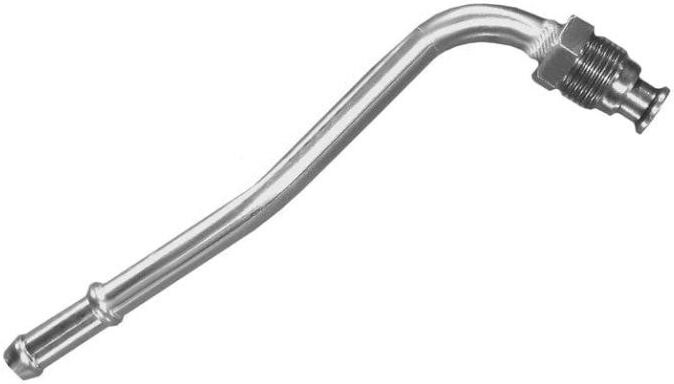
HJS 82 23 9048 Mounting Kit, soot filterSupplementary Article / Supplementary Info Info 2: with clamp; Supplementary Article / Supplementary Info: without rubber-metal mount(s); EU General Product Safety Regulation (GPSR): IEC 60417-6183 mechanical expertise required; TecDoc Engine Number: 33678, 31369, 33831, 343157,59 £*Shipping: 8,45 £Secure redirect to the provider


-
Does the radiator produce soot?
No, radiators do not produce soot. Soot is typically produced by the incomplete combustion of carbon-containing materials such as wood, coal, or oil. Radiators, on the other hand, are used to transfer heat from hot water or steam to the surrounding air, and do not produce soot as a byproduct of their operation. If soot is present in the vicinity of a radiator, it is likely coming from another source such as a fireplace, stove, or furnace. **
-
What is ash and soot?
Ash and soot are both forms of residue left behind after the combustion of organic or inorganic materials. Ash is the powdery substance that remains after something has been burned, such as wood or paper. Soot, on the other hand, is a black, powdery or flaky substance that is primarily composed of carbon and is produced by the incomplete combustion of organic matter. Both ash and soot can be harmful to human health and the environment if not properly managed. **
-
How can you remove exhaust soot?
To remove exhaust soot, you can start by washing the affected area with a mixture of warm water and mild soap. Scrub the soot gently with a soft brush or sponge to loosen it from the surface. For tougher stains, you can use a specialized automotive cleaner or degreaser. Rinse the area thoroughly with clean water and dry it with a microfiber cloth to prevent water spots. Repeat the process if necessary until the exhaust soot is completely removed. **
-
Which education is suitable for IT security or software development?
For a career in IT security or software development, a formal education in computer science, information technology, or a related field is typically recommended. A bachelor's degree in computer science can provide a strong foundation in programming, algorithms, and computer systems, which are essential skills for both IT security and software development roles. Additionally, pursuing certifications in cybersecurity or software development can also help enhance your skills and credibility in the field. Ultimately, the most suitable education will depend on your specific career goals and interests within the IT industry. **


How do you remove soot from walls?
To remove soot from walls, start by using a dry sponge or a vacuum with a brush attachment to gently remove as much loose soot as possible. Then, mix a solution of warm water and mild dish soap, and use a sponge to gently scrub the affected areas. For stubborn soot stains, you can try using a specialized soot sponge or a cleaning product specifically designed for soot removal. It's important to test any cleaning solution in a small, inconspicuous area first to ensure it doesn't damage the wall surface. **
What is soot deposition on the wall?
Soot deposition on the wall refers to the accumulation of fine black particles on the surface of a wall. This soot is typically a byproduct of incomplete combustion of carbon-based fuels, such as wood, coal, or oil. It can be caused by sources such as fireplaces, candles, cooking, or smoking. Soot deposition can create unsightly black stains on walls and ceilings and may also pose health risks if inhaled. Regular cleaning and proper ventilation can help prevent soot deposition in indoor spaces. **
Top-Angebote
Products related to Soot:
-
Acctim Caleb Soot ClockThe Acctim Caleb Soot Clock, personifies great design. The simple and elegant buttons and the silver bezel, frame the clean lines to create a truly stylish analogue alarm. The clear, arabic dial with sweep technology for a quiet night's sleep, are lit by Acctim's Smartlite® technology - automatically illuminating the dial as your room gets darker. Form and function in perfect harmony. Dimensions: L3.8cm x W10cm x H10.2cm.24,00 £*Shipping: 3,50 £Secure redirect to the provider
-
What is chimney soot?
Chimney soot, also known as creosote, is a black, oily substance that accumulates inside chimneys when wood or fossil fuels are burned. It is a byproduct of incomplete combustion and consists of carbon particles and other chemicals. Soot buildup can be a fire hazard and should be regularly cleaned from chimneys to prevent chimney fires. **
-
What does diesel soot mean?
Diesel soot refers to the fine particles of carbon that are emitted from diesel engines as a byproduct of combustion. These particles are a type of air pollution and can contribute to respiratory issues and other health problems when inhaled. Diesel soot can also contribute to the formation of smog and have environmental impacts such as harming plant life and contaminating water sources. **
-
Does the radiator produce soot?
No, radiators do not produce soot. Soot is typically produced by the incomplete combustion of carbon-containing materials such as wood, coal, or oil. Radiators, on the other hand, are used to transfer heat from hot water or steam to the surrounding air, and do not produce soot as a byproduct of their operation. If soot is present in the vicinity of a radiator, it is likely coming from another source such as a fireplace, stove, or furnace. **
-
What is ash and soot?
Ash and soot are both forms of residue left behind after the combustion of organic or inorganic materials. Ash is the powdery substance that remains after something has been burned, such as wood or paper. Soot, on the other hand, is a black, powdery or flaky substance that is primarily composed of carbon and is produced by the incomplete combustion of organic matter. Both ash and soot can be harmful to human health and the environment if not properly managed. **
Similar search terms for Soot
-
HJS 82 23 9048 Mounting Kit, soot filterSupplementary Article / Supplementary Info Info 2: with clamp; Supplementary Article / Supplementary Info: without rubber-metal mount(s); EU General Product Safety Regulation (GPSR): IEC 60417-6183 mechanical expertise required; TecDoc Engine Number: 33678, 31369, 33831, 343157,59 £*Shipping: 8,45 £Secure redirect to the provider
-
HJS 82 23 9049 Mounting Kit, soot filterSupplementary Article / Supplementary Info Info 2: with pipe connector; Supplementary Article / Supplementary Info: without rubber-metal mount(s); EU General Product Safety Regulation (GPSR): IEC 60417-6183 mechanical expertise required; TecDoc Engine Number: 33678, 31369, 33831, 3431513,99 £*Shipping: 8,45 £Secure redirect to the provider
-
How can you remove exhaust soot?
To remove exhaust soot, you can start by washing the affected area with a mixture of warm water and mild soap. Scrub the soot gently with a soft brush or sponge to loosen it from the surface. For tougher stains, you can use a specialized automotive cleaner or degreaser. Rinse the area thoroughly with clean water and dry it with a microfiber cloth to prevent water spots. Repeat the process if necessary until the exhaust soot is completely removed. **
-
Which education is suitable for IT security or software development?
For a career in IT security or software development, a formal education in computer science, information technology, or a related field is typically recommended. A bachelor's degree in computer science can provide a strong foundation in programming, algorithms, and computer systems, which are essential skills for both IT security and software development roles. Additionally, pursuing certifications in cybersecurity or software development can also help enhance your skills and credibility in the field. Ultimately, the most suitable education will depend on your specific career goals and interests within the IT industry. **
-
How do you remove soot from walls?
To remove soot from walls, start by using a dry sponge or a vacuum with a brush attachment to gently remove as much loose soot as possible. Then, mix a solution of warm water and mild dish soap, and use a sponge to gently scrub the affected areas. For stubborn soot stains, you can try using a specialized soot sponge or a cleaning product specifically designed for soot removal. It's important to test any cleaning solution in a small, inconspicuous area first to ensure it doesn't damage the wall surface. **
-
What is soot deposition on the wall?
Soot deposition on the wall refers to the accumulation of fine black particles on the surface of a wall. This soot is typically a byproduct of incomplete combustion of carbon-based fuels, such as wood, coal, or oil. It can be caused by sources such as fireplaces, candles, cooking, or smoking. Soot deposition can create unsightly black stains on walls and ceilings and may also pose health risks if inhaled. Regular cleaning and proper ventilation can help prevent soot deposition in indoor spaces. **
* All prices are inclusive of VAT and, if applicable, plus shipping costs. The offer information is based on the details provided by the respective shop and is updated through automated processes. Real-time updates do not occur, so deviations can occur in individual cases. ** Note: Parts of this content were created by AI.